Birdwatching in Jasper National Park is a little different than other places. It’s quieter. More unpredictable. It has a lot to offer, especially if you know when and where to look.
It’s quietly wonderful. Occasionally extraordinary.
Compared to other Canadian Rockies destinations, Jasper's broader valleys and more dispersed wetlands create fewer distinct hotspots. With less overall traffic and overall birding pressure, birds tend to linger longer and move freely, offering a chance to witness more natural behaviour.
However, what really sets Jasper apart is its habitat diversity. Unlike prairie or coastal birding, Jasper offers the opportunity to spot high-altitude species and birds of prey. Spanning alpine meadows and tundra, dense forests, intact wetlands, and interconnected lakes and rivers, Jasper has recorded over 250 species.
This variety is especially noticeable during migration, when songbirds, shorebirds, raptors and waterfowl move through the park.
Spring is when birdwatching in Jasper National Park truly comes alive.
From late April through early June, the landscape shifts quickly as lake ice thaws and rivers open. The peak window for Canadian Rockies migration typically falls between May 20 and June 10, depending on snowpack and melt.
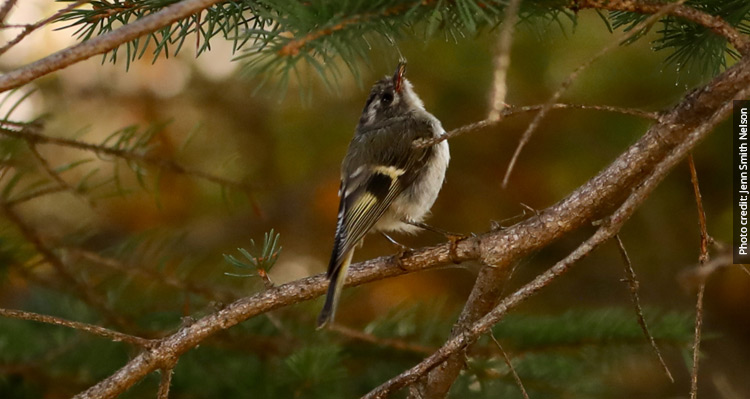
With these changes comes movement — often the sudden arrival of waterfowl like ducks and loons. A single warm, calm night can bring in waves of songbirds including American redstart, yellow and Wilson’s warbler and ruby-crowned kinglet, especially along lake edges and riparian corridors.
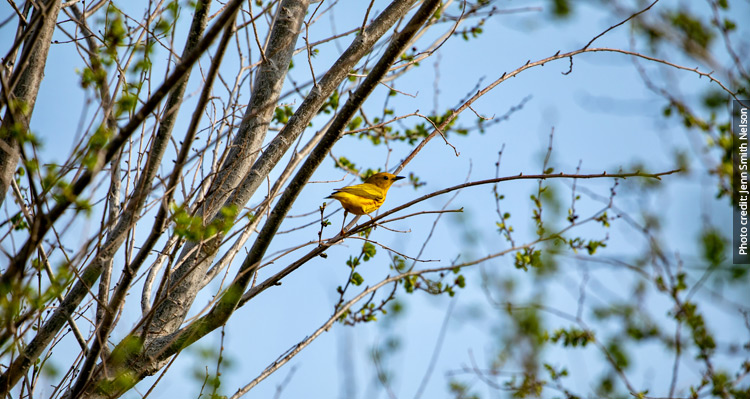
Fall migration in Jasper, from late August into October, offers a different experience. It’s staging season — a critical phase when waterfowl such as mallard and scaup gather on lakes in large numbers, before continuing south.
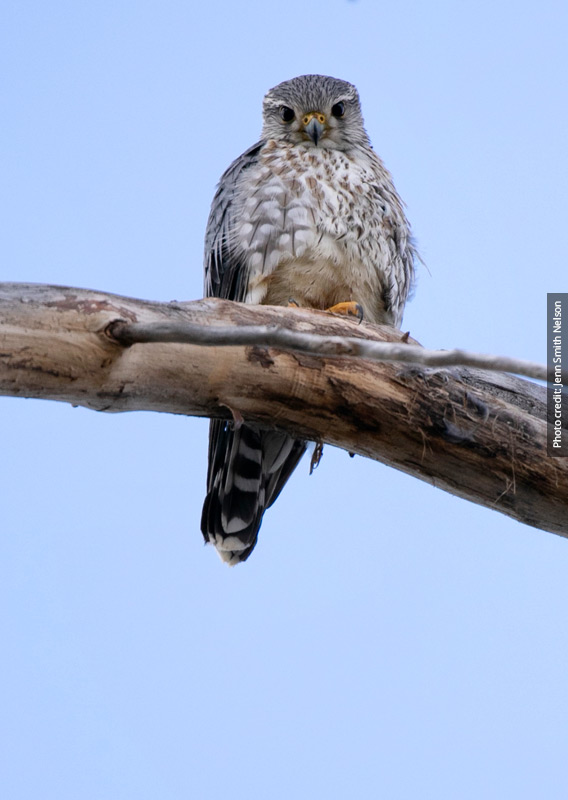
It’s also particularly notable for raptor movement. Species such as merlin, Swainson's, red-tailed and ferruginous hawk, osprey, golden and bald eagle, and great grey and great horned owl, can be seen along the eastern slopes and riding the thermals over open valleys.
TIP: To increase chances of spotting migrants, head out in the early morning or near dusk.
Bird species in Jasper reflect its mix of wetland, forest and mountain environments. With this range of habitats, birdwatching here is about exploration.
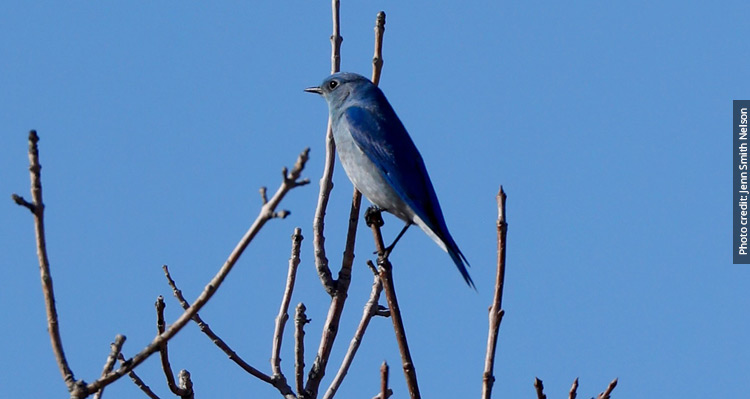
Medicine Lake is one of the park’s most dynamic areas. Changing water levels expose mudflats and shorelines that attract shorebirds like lesser yellowlegs and solitary sandpipers, as well as waterfowl and raptors. Keep an eye out for Barrow’s goldeneye, lesser scaup and eagles, along with mountain bluebird in surrounding grassy habitat, and Clark’s nutcracker in nearby forest.
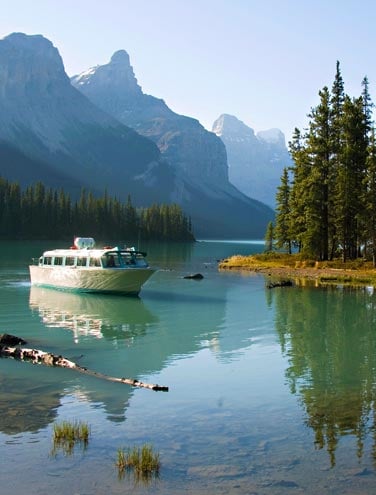
The Maligne Valley and Maligne Lake are key breeding areas for the spectacular Harlequin duck. Sensitive to disturbance, sections of Maligne Lake and Maligne River are protected during nesting season (roughly May to August) to support species conservation. In summer, osprey, loons, northern shoveller, green wing teal and varied thrush can be found in the area.
Closer to town, Pyramid Lake and Patricia Lake both offer an accessible mix of forest and water. Look for violet-green swallow, magnolia warbler, ruddy and ring-necked ducks. Less common sightings include surf scoter, Hammond’s flycatcher and the brilliantly colourful western tanager.
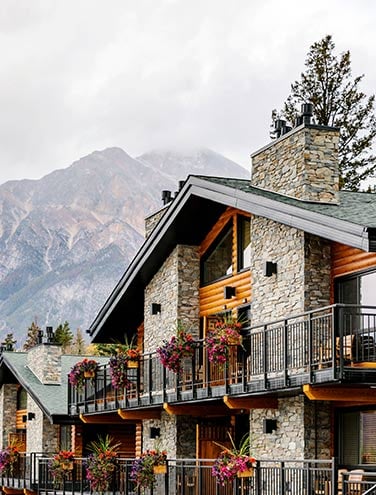
TIP: Stay at Pyramid Lake Lodge — the only accommodations on the shoreline — for an early start.
The Athabasca River corridor is a major migration pathway supporting over one million birds, making it a premier wildlife and birdwatching area. Follow the Athabasca River near Old Fort Point — its shallow, muddy wetlands attract many foraging birds during migration. Gravel bars and river edges are great places to look for spotted sandpipers, while the fast-moving water attracts the American dipper.
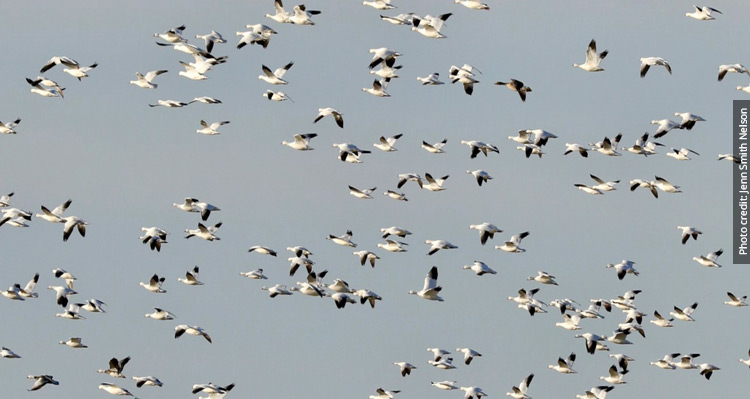
For a quieter experience, the Lac Beauvert Loop is an ideal trail with consistent bird activity. See snow geese, bufflehead, trumpeter swan, belted kingfisher and if you are fortunate, surf scoter and black swift, too.
What makes birdwatching in Jasper National Park special isn’t just the count — it’s the experience. It’s less about checklists, more about presence.
On a good day, you might see 40 to 65 species. On exceptional days, when conditions align, that number climbs — the real reward is how the experience unfolds.
Here, migration spreads across valleys, wetlands, forests and peaks. You don’t just find birds. With patience, the landscape reveals them.

About the author: Jenn Smith Nelson is a Saskatchewan-based award-winning travel writer, photographer and author. She’s contributed to enRoute, Canadian Geographic, Globe and Mail, Toronto Star and more. A passionate birder, she travels for wildlife, wellness and conservation stories. In 2019, Jenn co-authored 110 Nature Hot Spots in Manitoba and Saskatchewan.
Insider tips, inspiration and deals — delivered straight to your inbox.